Revolutionizing Websites with Headless Development Benefits
- Krystian Piątek

- Apr 13
- 3 min read
In today’s fast-paced digital world, building websites that are flexible, fast, and scalable is more important than ever. I’ve seen firsthand how traditional web development can sometimes limit creativity and performance. That’s why I’m excited to share how headless development benefits are changing the game for website creators everywhere. This approach is not just a trend; it’s a revolution in how we build and manage websites.
What Are Headless Development Benefits?
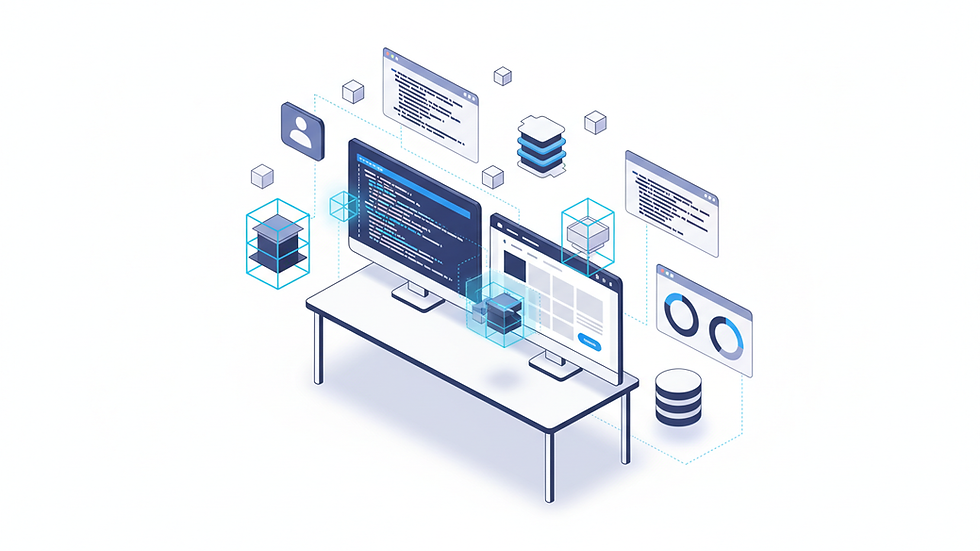
When we talk about headless development benefits, we’re referring to the advantages of separating the front end of a website from its back end. Traditionally, websites are built with a tightly coupled system where the front end (what users see) and the back end (where data and content live) are connected directly. Headless development breaks this link, allowing each part to work independently.
This separation means you can use any technology you want on the front end without being tied to the back end’s limitations. For example, you could build a sleek, fast user interface with React or Vue.js while managing content through a powerful content management system (CMS) in the back end.
Here are some key benefits I’ve noticed:
Flexibility: You can choose the best tools for each part of your website.
Speed: Front-end performance improves because it’s optimized separately.
Scalability: It’s easier to grow and adapt your website as needs change.
Omnichannel delivery: Content can be pushed to websites, apps, and other platforms seamlessly.
These benefits make headless development a perfect fit for modern websites, especially in education technology, where content needs to be dynamic and accessible across devices.
How Headless Development Benefits EdTech Platforms
In the EdTech space, delivering content quickly and efficiently is crucial. Students and educators expect smooth experiences on desktops, tablets, and smartphones. The headless development benefits shine here because they allow EdTech platforms to:
Deliver personalized learning experiences: By decoupling the front end, developers can create custom interfaces tailored to different user needs.
Integrate with multiple services: APIs can connect to various educational tools, databases, and analytics platforms without disrupting the user experience.
Update content instantly: Content creators can manage lessons, quizzes, and resources in the back end without waiting for front-end changes.
Practical Steps to Implement Headless Development Benefits
If you’re considering adopting this approach, here’s a simple roadmap to get started:
Choose the right CMS: Look for a headless CMS that fits your content needs and supports API access.
Select your front-end framework: Popular choices include React, Angular, or Vue.js. Pick one that your team is comfortable with.
Plan your API strategy: Define how your front end will communicate with the back end. REST and GraphQL are common options.
Build and test incrementally: Start with a small feature or page to test the integration before scaling up.
Optimize for performance: Use caching, CDN, and lazy loading to ensure fast delivery.
Remember, the goal is to create a seamless experience for users while keeping your development process flexible and efficient.
Overcoming Challenges When Embracing Headless Development Benefits
While the benefits are clear, transitioning to a headless architecture can come with challenges. Here are some common hurdles and how to tackle them:
Learning curve: Teams may need time to get comfortable with new tools and workflows. Invest in training and documentation.
Increased complexity: Managing separate front-end and back-end systems requires good project management and clear communication.
SEO considerations: Since content is delivered via APIs, you need to ensure your front end supports server-side rendering or static site generation for SEO.
Cost implications: Sometimes, using multiple services and tools can increase costs. Plan your budget carefully.
By anticipating these challenges, you can prepare your team and infrastructure to fully leverage the headless development benefits.
Why Headless Development Benefits Will Stand the Test of Time
Looking ahead, I believe the headless development benefits will only grow in importance. The digital landscape is evolving rapidly, and websites need to be more adaptable than ever. This approach aligns perfectly with the goal to create products and provide services that enable clients to succeed using technologies that will stand the test of time.
With headless development, you’re not just building a website; you’re building a platform that can evolve with your users’ needs. Whether it’s integrating new technologies, expanding to new channels, or scaling up content delivery, this method offers the flexibility and power to keep pace with change.
If you want your website to be future-proof, fast, and user-friendly, embracing headless development is a smart move.
I hope this overview helps you understand why headless development is revolutionizing websites. It’s an exciting time to be building digital experiences, and I’m confident that this approach will continue to unlock new possibilities for creators and users alike.


